The Undergraduate Policy and Curriculum Committee reviews and provides recommendations on undergraduate policies, instruction, and standards, and university-wide undergraduate degree requirements.
Meeting Schedule
On April 7, 2016, the Faculty Senate Steering Committee established Tuesday as the standard meeting day and 12:00 – 1:00 p.m. as the standard meeting time. The standard meeting time does not prevent the curricular committees from scheduling a longer or additional meeting to address time-sensitive deadlines. The specific meeting schedule for the committee is maintained by the Provost’s Office at Undergraduate Policy and Curriculum Committee website.
Members
Jason Phillips, Chair
University Libraries
Academic Administration
Email: Jason.Phillips@ucf.eduTBD, Vice Chair
College of Undergraduate Studies Support
Email: upcc@ucf.edu
-
Jason Phillips
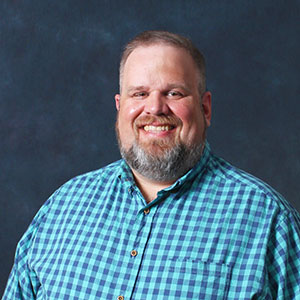 University Libraries-Research Engagement; Senate Representative
-
Camilla Ambivero
 College of Medicine-Burnett School of Biomedical Sciences; Faculty Representative
 -
Noah Froelich
 College of Sciences- Chemistry; Senate Representative
 -
Robert “Joe” Gennaro
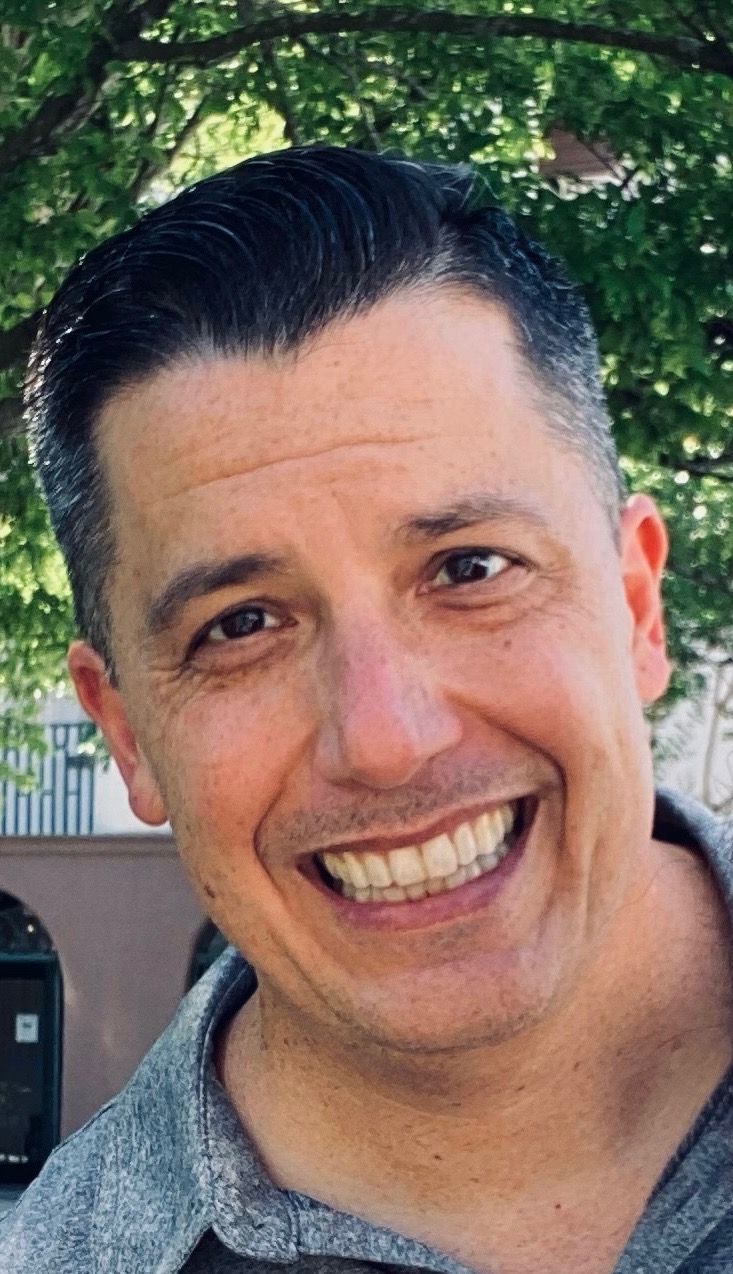 College of Arts and Humanities- School of Performing Arts; Senate Representative
 -
Amanda Groff
 College of Sciences- Anthropology; Faculty Representative
 -
Danny Hernandez
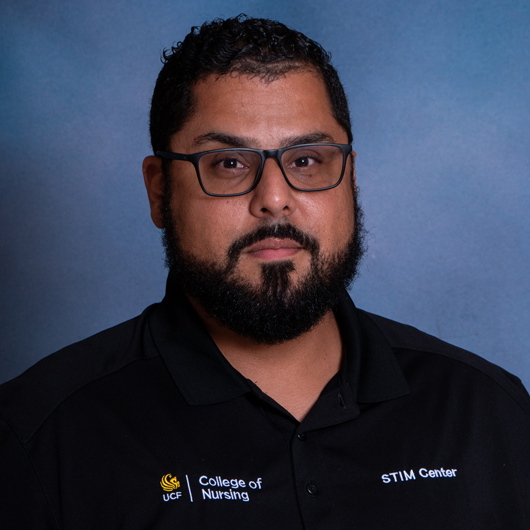 College of Nursing- Nursing Practice; Faculty Representative
 -
Gulnora Hundley
 College of Community Innovation and Education-Counselor Education & School Psychology; Senate Representative
 -
Charlotte Jones-Roberts
 Division of Digital Learning- Center for Distributed Learning; Faculty Representative
 -
Shelley Maccini
 College of Business Administration-Integrated Business; Faculty Representative
 -
Maryam Mahmoodi
 College of Optics and Photonics- Optics and Photonics; Faculty Representative
 -
Sumanta Pattanaik
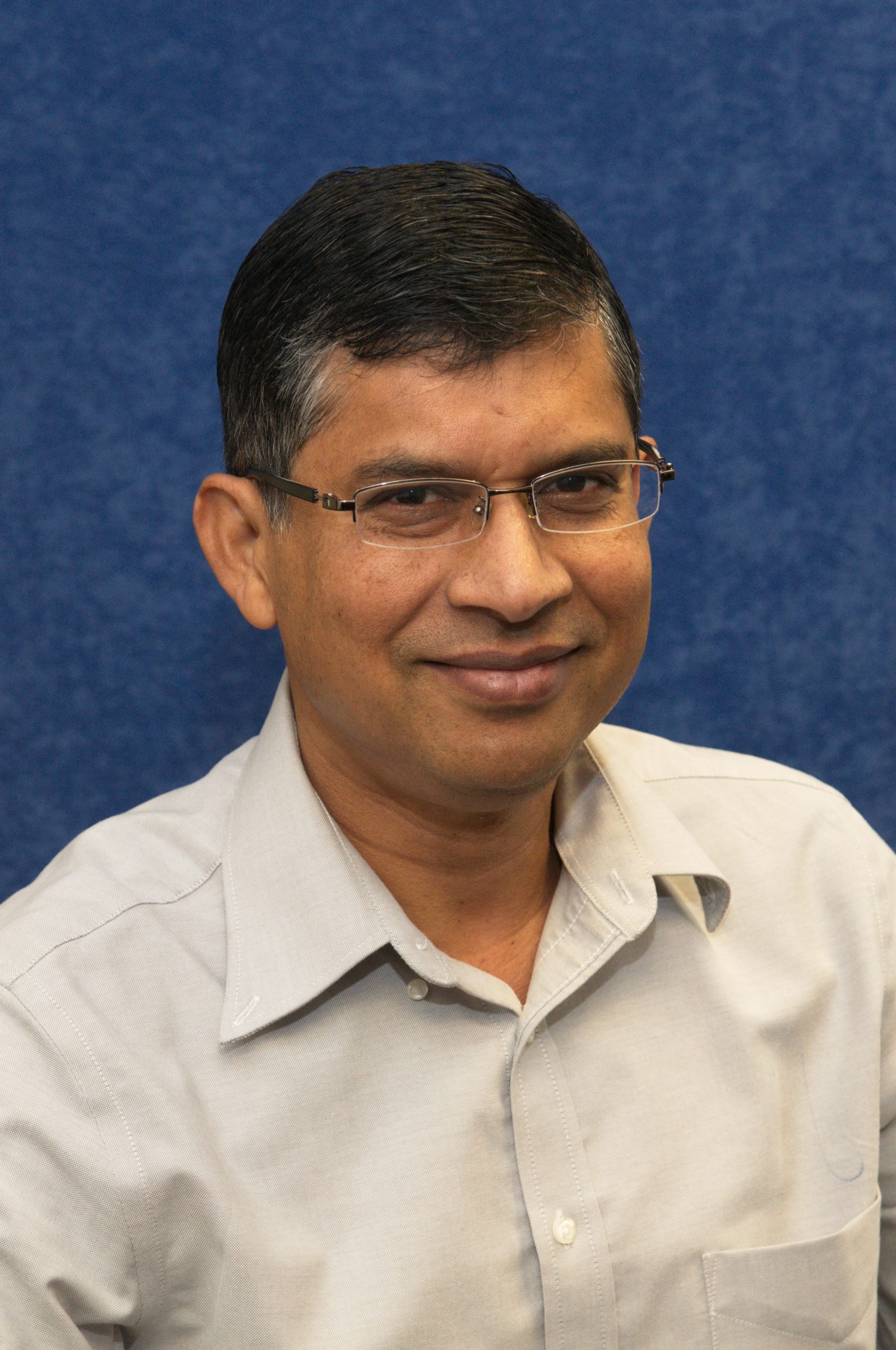 College of Engineering and Computer Science- Computer Science; Senate Representative
 -
Olivia Smith
 Student Government Association
 -
Anna Valdes
 College of Health Professions and Sciences- School of Kinesiology and Rehabilitation Sciences; Faculty Representative
 -
Lori Walters
 Office of Research- Institute for Simulation and Training; Faculty Representative
 -
Yun Ying Zhong
 Rosen College of Hospitality Management- Hospitality Services; Faculty Representative
Ex-officio members
-
Robin Back
 Office of Undergraduate Studies; Ex officio
 -
Manoj Chopra
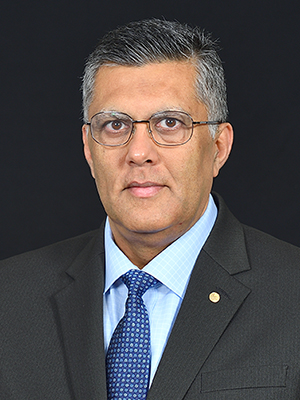 College of Engineering and Computer Science-Civil, Environmental & Construction Engineering; Ex Officio; Chair, University Athletics Advisory Committee
 -
Maureen Covelli
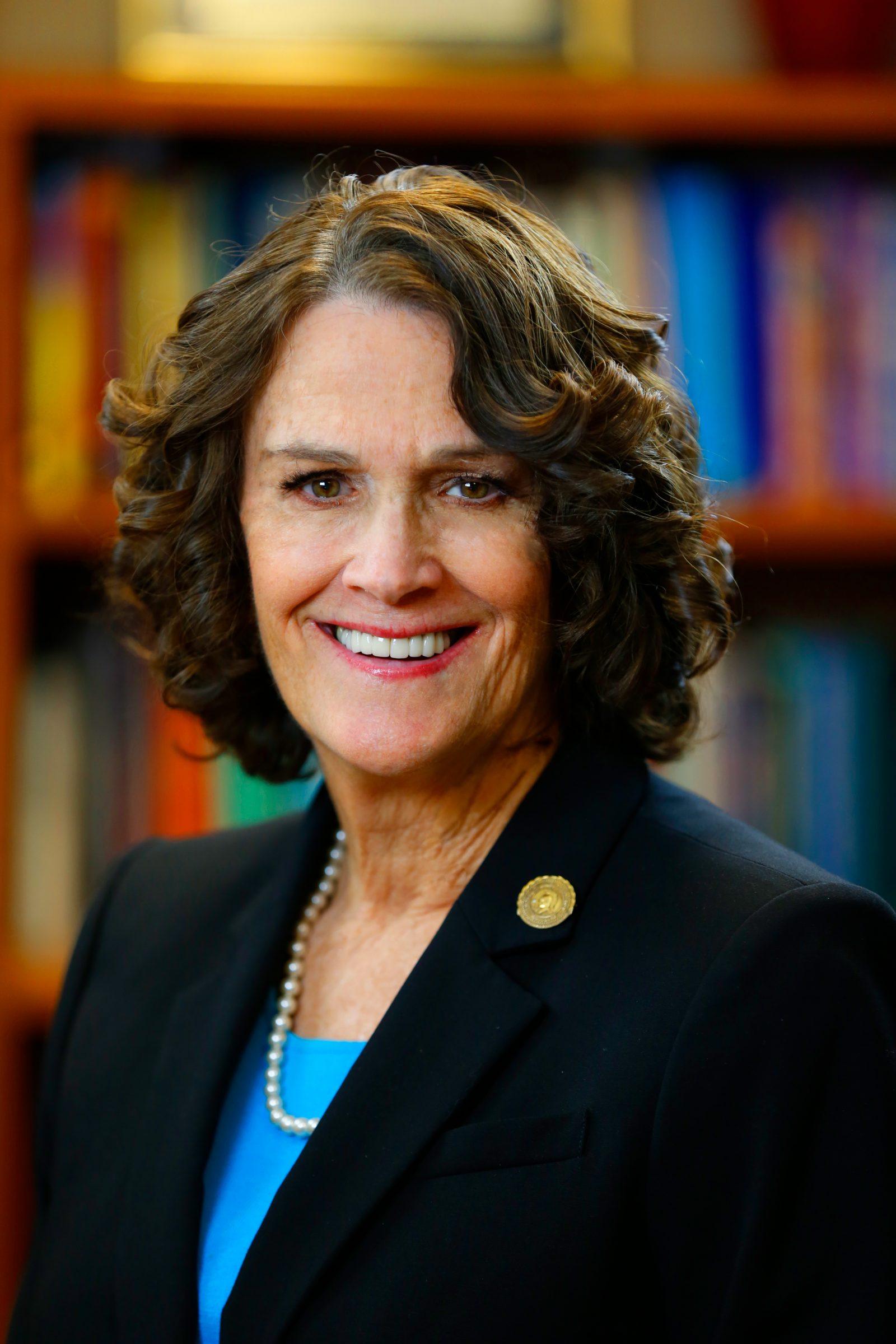 College of Nursing-Undergraduate Affairs; Ex Officio
 -
Martin Dupuis
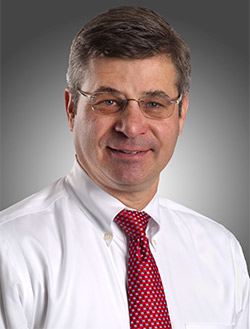 Burnett Honors College-Dean's Office; Ex officio
 -
Delia M. Garcia
College of Arts and Humanities-Dean's Office; Ex Officio
-
David Kwun
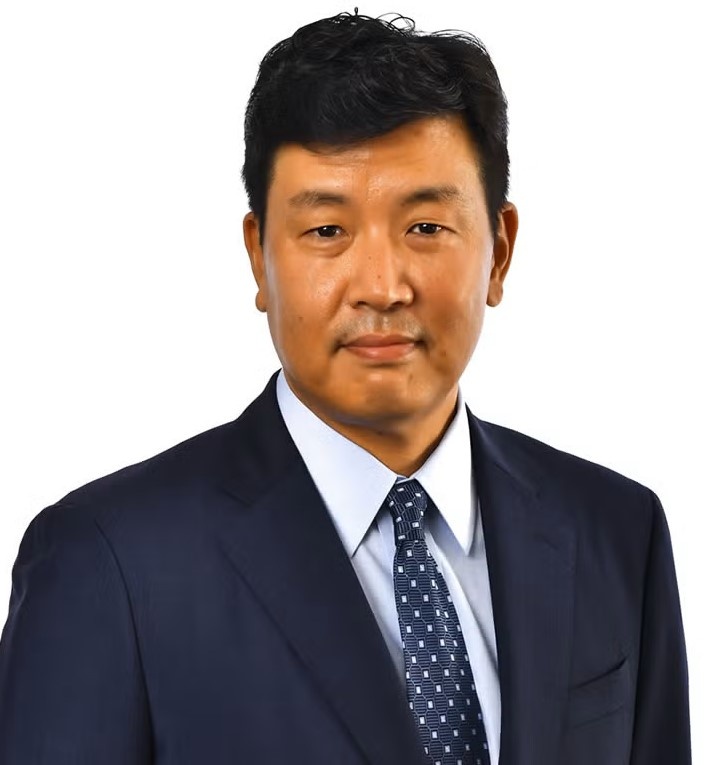 Rosen College of Hospitality Management- Hospitality Management Services; Ex-Officio
 -
Timothy Letzring
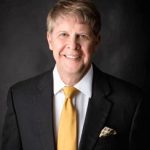 Academic Affairs; Ex Officio
 -
Patrick LiKamWa
 College of Optics and Photonics; Faculty Representative
 -
Brett McCollum
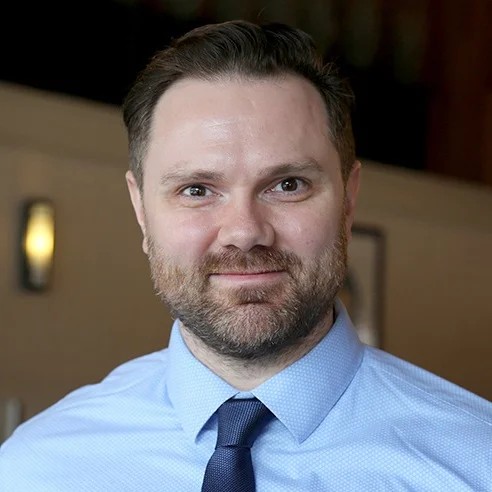 College of Science- Dean's Office; Ex Officio
 -
Sean Robb
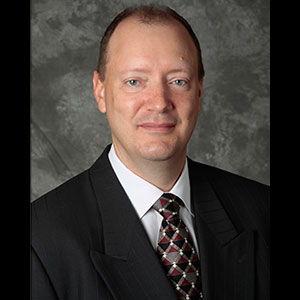 College of Business Administration-Dean's Office; Ex Officio
 -
Suha Saleh
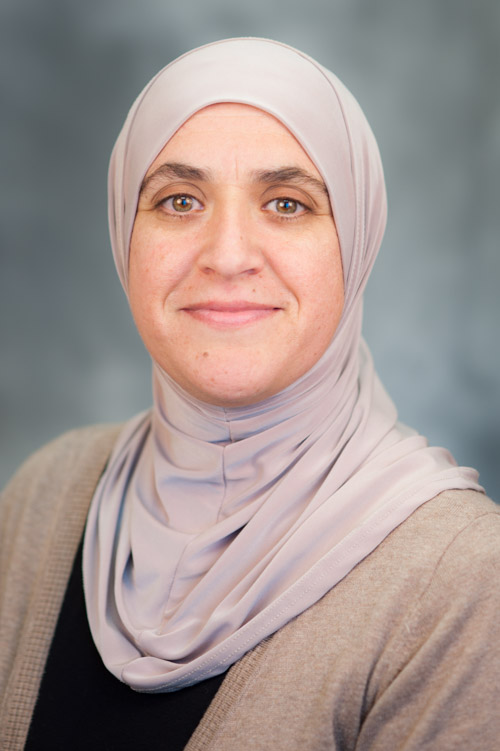 College of Health Professions and Sciences-Dean's Office; Ex Officio
 -
William Self
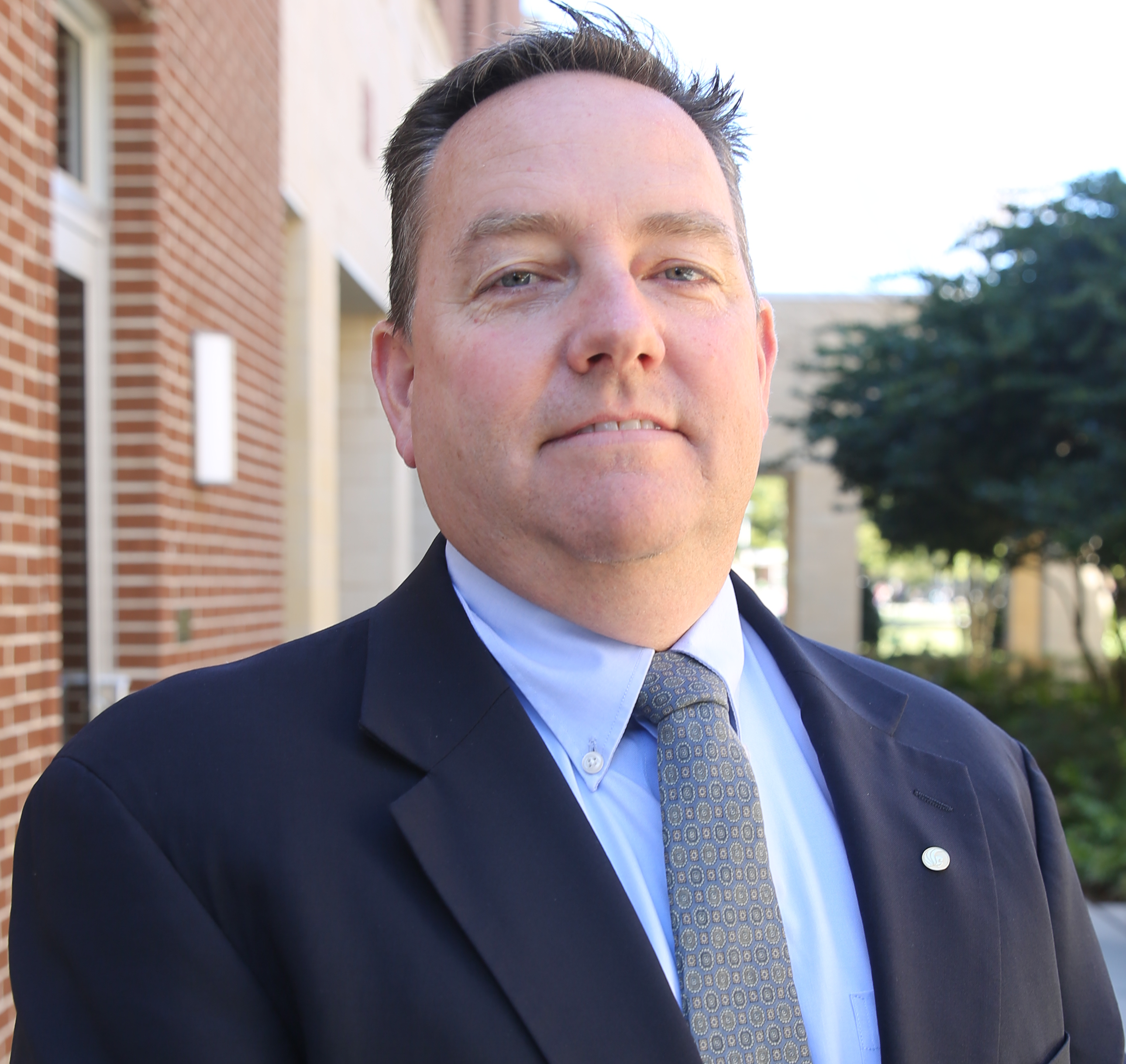 College of Medicine-Burnett School of Biomedical Sciences; Ex Officio
 -
Ronnie Zimmerman
 College of Community Innovation and Education- Dean's Office; Administrator
Meeting Materials
The official agendas, materials distributed, and approved minutes and materials for each meeting are distributed and maintained by the Provost’s Office at Undergraduate Policy and Curriculum Committee Website.
Membership
The Undergraduate Policy and Curriculum Committee shall consist of the chair of the Undergraduate Council, an elected vice chair, and fifteen faculty members, with at least one representative from each of the academic units. Faculty membership shall proportionally represent the number of faculty of the colleges, and an effort shall be made to include members of the college curricular committees. The ex officio members include the dean of the College of Undergraduate Studies (or designee) and the assistant or associate dean (or designee) whose responsibilities include undergraduate curricular issues from each of the colleges. Terms of service are two years, staggered.
Duties and Responsibilities
- To study, review, and provide recommendations on undergraduate academic policies.
- To study, review, and provide recommendations on university-wide undergraduate degree requirements, including the General Education Program (GEP), foreign language requirements or proficiency, admission standards, and baccalaureate academic honors.
- To study and review recommendations from the University Common Program Oversight Committee on changes to the General Education Program and to transmit recommendations to the dean of the College of Undergraduate Studies.
- To review and make recommendations on all proposals for planning or implementation of new undergraduate degree programs, minors, and elimination of existing programs that will be submitted by the committee to the Office of Academic Affairs prior to submission to the Board of Trustees for final approval.
- To review and make recommendations on all proposals for revisions to existing degree programs and certificates.
- To review and make recommendations on the allocation of the Equipment Fee to the dean of the College of Undergraduate Studies, who submits his/her recommendations to the provost and vice president for Academic Affairs.
- To transmit its recommendations to the dean of the College of Undergraduate Studies, who submits his/her recommendations to the provost and vice president for Academic Affairs. The committee may also make recommendations to the Steering Committee of the Faculty Senate.
Committee Guidance
About Senate Curricular Committees
The Faculty Senate establishes Senate curricular committees, which report to the full Faculty Senate at each meeting of the Faculty Senate. Subcommittees of the council carry out the work of the council. As the elected representatives of the faculty, the Faculty Senate is responsible for all university curricular committees and councils. See Undergraduate Council for details regarding the Council.
Even though there is no voting by proxy for Senate meetings, Senate curricular committees may adopt policies at the start of the year to allow voting by proxy. According to Robert’s Rules of Order (latest edition) proxies should be written, be for a specific meeting, and be given to the committee chair before the start of a meeting.